GWADW2026 - Gravitational-Wave Advanced Detector Workshop

Europe/Rome
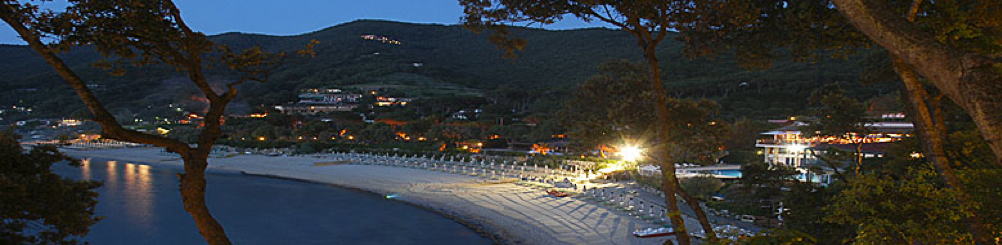
Hotel Hermitage, La Biodola, Isola d'Elba

Hotel Hermitage, La Biodola, Isola d'Elba

Francesco Fidecaro (University of Pisa and INFN), Massimiliano Razzano (University of Pisa and INFN-Pisa)
Description

With more than 250 detected events, the LIGO-Virgo-KAGRA network has successfully concluded on November 18, 2025, the third part of the O4 observing run (O4c). An intense activity to analyze the collected data is ongoing, and in the meantime plans for upgrades toward O5 are prepared, to further increase the number of detected coalescences and with the aim of possibly detect new classes of gravitational wave emitters. 


At the same time, the preparatory work for third generation ground-based interferometers Einstein Telescope and Cosmic Explorer is in full swing, with many R&D activities going on, new laboratories coming online and new concepts being elaborated, while the quality of the candidate sites are assessed. Lots of activities are also surrounding the preparation for the LISA mission, expected to probe a completely different band  of the gravitational wave spectrum. 


The gravitational wave community worldwide is growing, stimulated by the challenges of new detectors on Earth and in space. The Gravitational Wave Advanced Detector Workshop (GWADW) series is one of the main opportunities worldwide to present the work on detectors leaving, as is tradition, ample space for informal discussions. 

The scientific programme will consist of plenary sessions only, with two poster sessions on Tuesday and Thursday afternoon. The daily work schedule will be concentrated in the morning and in the evening leaving room for informal discussions around lunch time. 


GWADW 2026 will begin on Sunday, May 17th and finish on early morning of Saturday May 23rd. 
 

Registration
VISA Guarantee Letter Request
Participants
    • 18:00
      Welcome Cocktail
    • Welcome and Introduction
      Conveners: Francesco Fidecaro (University of Pisa and INFN), Massimiliano Razzano (University of Pisa and INFN-Pisa)
    • Introductory Talks: Science
      Conveners: Francesco Fidecaro (University of Pisa and INFN), Massimiliano Razzano (University of Pisa and INFN-Pisa)
      • 1
        Searching for continuous and stochastic gravitational waves in LVK data: latest results and perspectives

        Continuous gravitational waves (CW) are long-lasting signals predicted from spinning neutron stars and other exotic sources, representing a major target of current gravitational wave searches. In this talk I will review the most recent observational results from CW searches, covering from the targeted searches for known pulsars to the all-sky surveys for unknown sources, with a particular focus on results obtained during the latest LIGO–Virgo–KAGRA observing runs. I will discuss the astrophysical implications of the upper limits achieved on gravitational wave emission and the constraints they place on neutron star deformation and equation of state. I will also briefly address results from searches for a stochastic gravitational wave background, highlighting the complementarity with transient search efforts.

      • 2
        Science with 3G detectors

        We will give an overview of the main scientific targets of the next generation of ground-based GW detectors, and their impact on fundamental physics, cosmology and astrophysics.

        Speaker: Michele Maggiore (Geneva University)
    • 10:35
      Coffee Break
    • Introductory Talks: Second-generation Detectors
      Conveners: Francesco Fidecaro (University of Pisa and INFN), Massimiliano Razzano (University of Pisa and INFN-Pisa)
      • 3
        Status and plans for Advanced Virgo+

        This presentation will provide an overview of the current status of Advanced Virgo+. The first part will focus on the optical configuration adopted for the O4 observing run, highlighting its performance and distinctive features. Subsequently, post-run commissioning activities will be discussed, with particular emphasis on the investigation and mitigation of the excess noise observed in the dual-recycled configuration. Finally, the planned upgrades to the detector, referred to as the O5 configuration, will be outlined.

        Speaker: Maddalena Mantovani (EGO)
      • 4
        KAGRA Extension and Plan for O5

        Following a review of KAGRA, support from MEXT has been officially
        extended through the end of the O5 observing run and the subsequent data
        analysis phase. During O5, KAGRA will aim to achieve a binary neutron
        star (BNS) sensitivity of 25 Mpc. To reach this goal, we plan to
        introduce new sapphire input test masses (ITMs), increase the laser
        power to 30 W, implement resonant sideband extraction, install in-vacuum
        photodetectors, and improve the optical components and configuration
        around the input optics, among other upgrades.

        Speaker: Shinji Miyoki
    • 12:30
      Lunch
    • Introductory Talks: Third-Generation Detectors
      Conveners: Francesco Fidecaro (University of Pisa and INFN), Massimiliano Razzano (University of Pisa and INFN-Pisa)
      • 5
        Towards a Technical Design of the Einstein Telescope

        The Einstein Telescope was conceived as the ultimate terrestrial GW observatory located underground to provide the quietest possible geophysical environment. A set of revolutionary technologies is needed to make full use of these quiet conditions. One of the important consequences is that the single-interferometer configuration must be abandoned by introducing the concept of the xylophone with a low-frequency, and a high-frequency interferometer. We are therefore facing the daunting task of providing the final technical design of two highly-sophisticated, and technology-wise very different interferometers in the next 10 years. I will summarize the status of the effort, the main challenges we are facing today, and how we might be able to meet the timeline.

        Speaker: Jan Harms (Istituto Nazionale di Fisica Nucleare)
      • 6
        Cosmic Explorer Status

        We present the current status of Cosmic Explorer (CE), with emphasis on key deliverables of the conceptual design phase of the project. Additionally, we review the Cosmic Explorer Beamtube Experiment, CEBEX, the construction of a 140m-long facility for the testing of prototype vacuum technology for the third-generation, 40km CE facility.

        Speaker: Michael Landry (Caltech)
      • 7
        ETpathfinder: prototyping low-frequency technologies for the Einstein Telescope

        The European third generation gravitational-wave detector Einstein Telescope will rely on cryogenics and silicon as mirror and suspension material to achieve unprecedented low-frequency sensitivity. Prototyping and characterisation of these new technologies on a system-level is needed to inform the design and future upgrades of the large-scale observatory. This is the mission of ETpathfinder, a 10m prototype facility hosted by Maastricht University, the Netherlands, and involving more than 20 research institutions from 8 different countries.

        The inner mechanics of the ETpathfinder vacuum system are currently under construction with two suspended optical tables already commissioned to host the injection system of the 1550nm pre-stabilised laser, the beamsplitter and steering optics. At the moment, we are preparing the installation of the first cryogenic mirror tower with a cryostat hosting two 3kg-silicon test masses at 15K. In this talk, we give an overview of the current status, recent results from ongoing activities and future plans with a focus on the technologies being tested and deliverables to current and future detectors.

        Speaker: Luise Kranzhoff
    • 17:30
      Coffee Break
    • Collaborative and R&D directions
      • 8
        Panel discussion: Collaborative Design and R&D Directions

        Panel discussion on Collaborative Design and R&D Directions

        Speakers: Lisa Barsotti (LIGO-MIT), Jan Harms (Istituto Nazionale di Fisica Nucleare)
    • Optical Design
    • 10:30
      Coffee Break
    • Optical Design
    • 12:30
      Lunch
    • High Power
      • 9
        First Demonstration of Optical Feedback Control to Parametric Instability at Advanced LIGO

        Increasing the circulating power in gravitational-wave detectors to the megawatt level is essential for their proposed sensitivity, but this is critically limited by optomechanical parametric instabilities. Current mitigation strategies are projected to be ineffective against instabilities when circulating power reaches megawatt. Optical feedback offers a novel independent paradigm to mitigate parametric instability. In this Letter, we report the first demonstration of optical feedback control in a full-scale gravitational wave detector. We successfully suppress an unstable mode at $10.428\,$kHz, reducing the parametric gain from $R\approx 2$ to $R<0.02$. This work validates optical feedback control as an effective mitigation scheme for kilometer-scale interferometric gravitational-wave detectors, providing an effective strategy to allow detectors to reach the megawatt level.

        Speaker: Juntao Pan
      • 10
        A high power bench top coupled cavity system to investigate LIGOs thermal state

        The sensitivity of current GW detectors, such as aLIGO, are critically reliant on the optimal operation of its system of coupled cavities. Unfortunately, the cavities’ resonant spatial eigenmodes and their control is affected by thermal deformations, allowing lossy higher order modes to build-up, whilst reducing the gain of control sidebands. Additionally, these deformations compromise the injection of squeezed light. Together, these effects limit the sensitivity of the detector and must be understood to achieve 1MW stored power in the future. Commissioning and optimization of the thermal compensation system is time-consuming and there are not yet sufficient actuators installed to fully counteract the thermal effects.

        To study these limiting effects in more detail a bench-top, folded coupled cavity experiment is being constructed to investigate mirror heating and thermal actuation effects on higher order modes and audio sidebands. It consists of an arm cavity designed to replicate the LIGO thermal conditions using a suspended 98mm diameter ITM in vacuum, which is coupled to a recycling cavity. The cavities have been designed to replicate the Gouy phase accumulation observed in LIGO and a small-scale TCS will be installed. This presentation will describe the design of the coupled cavity and preliminary work towards its assembly.

        Speaker: Sophie Muusse (University of Adelaide)
      • 11
        Thermal Compensation System tackling Optical Aberrations in Advanced Virgo for O5 and beyond

        The optical aberration budget in present-day gravitational wave detectors is a key driver for the commissioning effort to stabilize the interferometer working point. In Advanced Virgo, extensive experience in thermal compensation of cold optical defects and high-power absorption-induced lensing has been developed within the Thermal Compensation System (TCS), in close interplay with other subsystems, particularly ISC (ITF Sensing and Control).

        In view of a new design of the layout of Advanced Virgo with stable recycling cavities - to be implemented in phases toward O5, TCS has developed a technical design plan involving upgrades of its main components, including both new concepts and experience-guided system evolutions. All these strategies are included in the O5 technical design review document, considering the interfaces with other subsystems, the integration plan and the mitigation of correlated risks. The compensation of optical aberrations is also a crucial development in view of future detectors, addressing increased circulating power, tighter stability requirements, and growing system complexity.

        We present the design choices for the TCS system upgrades in view of O5 Advanced Virgo layout with stable recycling cavities, discussing the drivers, the impacts and the upgrade strategy. The deployment follows a staged implementation aligned with the O5 upgrade plan. Besides, starting from the O5 TCS design, we outline the developments of the thermal compensation in view of future detectors, particularly post-O5 upgrades and Einstein Telescope, focusing on the most relevant R&D.

        Speakers: Ilaria Nardecchia (Istituto Nazionale di Fisica Nucleare), Matteo Lorenzini (Università di Roma Tor Vergata - INFN Roma Tor Vergata)
      • 12
        Static adaptive correction to compensate for non-axisymmetric wavefront distortions in future gravitational wave detectors

        Optical aberrations in gravitational wave detectors arise mainly from laser absorption in coatings and manufacturing defects in the optics along the beam path. If left uncorrected, these distortions drive the interferometer away from its optimal operating point, degrading both stability and sensitivity. Future detectors, such as the Einstein Telescope–High Frequency, will operate with unprecedented circulating power, further increasing the impact of these aberrations.
        In Advanced Virgo, axisymmetric aberrations are compensated using thermal actuators and CO₂–based correction systems. However, residual non–axisymmetric wavefront distortions remain a significant challenge in the next–generation detectors due to the increase of circulating power. We investigate the use of Deformable Mirrors (DMs) as a flexible solution to compensate for these asymmetric distortions. By shaping the phase of an auxiliary CO₂ beam upon reflection, DMs can project the required non–axisymmetric intensity pattern onto the compensation plates, where the CO2 radiation is locally and fully absorbed to produce a corrective thermal lens for the main beam of the interferometer, without introducing frequency–dependent noise within the detector sensitive band.
        We present the numerical tools developed to model the projection strategy and to demonstrate the feasibility of reproducing the typical target intensity patterns. We also discuss the experimental study that confirms the capability of DMs to generate the required corrective profiles and the impact of the DM-based correction in the Advanced Virgo upgraded layout for O5.

        Speaker: Luciano Antonio Corubolo (Istituto Nazionale di Fisica Nucleare)
      • 13
        ET OPT - Advancing High Power Precision Interferometry

        The proposed Einstein Telescope high-frequency interferometers (ET-HF) in their nominal configuration are limited by coating Brownian thermal noise (CBTN) and quantum shot noise. Achieving the target sensitivity requires up to 3 MW of laser power with advanced optical coatings. At these power levels, thermo-elastic and thermo-optic effects induce wavefront distortions, causing transverse mode mismatch, increased optical loss, and degraded squeezing performance. Parametric instabilities (PI) and CBTN impose additional critical limits.
        We present ET-OPT, a 10 m coupled-cavity at UCLouvain, currently being developed to study advanced optical techniques and optical mode control at power densities exceeding that of ET-HF.
        In this talk, we will introduce the designs for ET-OPT. This will include the optical mode control strategy, first results analyzing parametric instability suppression, first results on the vacuum envelope and latest results on the generation of the high order optical modes.
        Our work will facilitate current detectors to reach the high-power levels demanded in O5. Additionally, this will unlock new techniques to facilitate the use of high order optical modes, reducing CBTN impact, and increasing detectable BNS events in ET at redshift ~10 by a factor of three.

        Speaker: Swapnil Dhage (UCLouvain)
    • 17:30
      Coffee Break
    • Poster Session: First Sparkler Session
    • Poster Session
    • Thermal Noise
      • 14
        Status of Glasgow/Strathclyde amorphous coatings research for Advanced GW Detectors

        This talk will cover recent developments in amorphous coatings research for Advanced GW Detectors at the University of Glasgow and Strathclyde University. Particularly progress on Titania-Silica coatings, alumina coatings, and multi-material coating designs for room temperature detectors.

        Speaker: Margot Hennig (University of Glasgow)
      • 15
        Cryogenic loss angle of ion-beam sputtered SiNx thin films

        Silicon nitride (SiN$_x$) is a highly versatile coating material. In high-reflection Bragg mirrors, it could be paired either with silica as high-index layer, for operation at any wavelength in the near infrared [1], or with amorphous silicon as low-index layer, for operation at a wavelength of 1550 nm or larger [2]; it could be used at ambient temperature as well as at cryogenic temperatures [3]. The LIGO and Virgo Collaborations have thus been studying SiN$_x$ thin films for more than a decade, using samples grown through a wide variety of deposition techniques.

        Thanks to this extensive research work, the optical and mechanical properties of chemical-vapor deposited SiN$_x$ are now well known, both at ambient and cryogenic temperatures [3]. In contrast, despite ion-beam sputtering (IBS) being the reference deposition technique for coating the mirrors of gravitational-wave detectors [4], to the best of our knowledge the low-temperature loss angle of IBS SiN$_x$ has never been characterized so far.

        In this talk we will present the results of cryogenic loss angle measurements of as-deposited and thermally-treated IBS SiN$_x$ thin films of the best optical quality achieved so far [1], and discuss them in light of their possible use in present and future detectors such as KAGRA and Einstein Telescope.

        • [1] A. Amato et al., Phys. Rev. D 111, 042003 (2025).
        • [2] J. Steinlechner et al., Phys. Rev. Lett. 120, 263602 (2018).
        • [3] M. Granata, G2502437 / VIR-1117A-25 (2025).
        • [4] M. Granata et al., Class. Quantum Grav. 37, 095004 (2020).
        Speaker: Dr L. O. Mereni (CNRS)
      • 16
        Crystallization kinetics in Ta2O5 coatings

        Thermal noise arising from mirror coatings (CTN) remains one of the main limitations to enhancing the sensitivity of interferometric gravitational wave detectors, especially in room temperature detectors in the critical frequency region near 100 Hz. These coatings, fabricated by ion beam sputtering as Bragg reflectors alternating high- and low-refractive-index layers, undergo a post-deposition annealing to reduce internal stresses while keeping the layer amorphous. Partial crystallization of the coating layer might have beneficial effects on CTN, as it originates from the amorphous nature of the coating. However the crystallization kinetics must be engineered to keep optical losses low.
        The present study aims to determine the crystallization kinetics in high refractive index coating materials as a function of annealing temperature and duration. Tantalum oxide is used as model system to develop a protocol to investigate crystallization properties, with perspective applications to other coating materials such as Ti:Ta2O5, Ti:GeO2, Ti:SiO2. Identifying the parameters that govern the transition from the amorphous to the polycrystalline phase will enable the development of optimized, material specific annealing procedures.

        Speaker: Dr Valeria Milotti (University of Padova, INFN PD)
      • 17
        The Dawn of Low Thermal Noise Coatings for Room Temperature and Cryogenic Gravitational Wave Detectors: A Path to 30 cm AlGaAs

        Current gravitational wave detectors (GWDs) are sensitivity limited by mirror coating thermal noise (CTN). Despite decades of research, GaAs/AlGaAs crystalline coatings are the only coating candidate that has demonstrated a CTN that is capable of meeting the sensitivity goals of LIGO A+ and LIGO A#. These substrate-transferred crystalline coatings exhibit the lowest measured CTN both at room and cryogenic temperatures, while demonstrating optical performance on-par with the best ion-beam sputtered multilayers. The most significant challenge in deploying this coating technology in full-scale GWDs has been the ability to produce the coating at sizes greater than 20 cm diameter.

        We will provide updates on a new production process for AlGaAs mirror coatings at 30 cm. Efficiencies include the production of GaAs seed wafers grown on 30 cm Ge, the retooling of MBE facilities to 30 cm, and the bonding of 30-cm coatings to fused silica substrates. Each of these steps is currently being tested separately and the combined production of the first 30-cm AlGaAs coatings will commence with the availability of high-quality AlGaAs multilayers on Ge.

        Speaker: Steven Penn
      • 18
        Results from the MIT Coating Thermal Noise facility

        The MIT coating thermal noise (CTN) facility can measure the thermal noise of mirror coatings by probing the phase fluctuations between orthogonal spatial modes in a short, folded Fabry-Perot cavity. Previously this instrument has measured the thermal noise of the coatings used in LIGO, with high signal-to-noise ratio in the frequency band of 30 Hz to 3000 Hz. This talk will review some interesting recent measurements made both on amorphous and crystalline coatings.

        Speaker: Peter Fritschel (M.I.T.)
    • 10:30
      Coffee Break
    • Thermal Noise
      • 19
        Low-loss dielectric metasurface mirror for precision optical cavities in the near-infrared

        We present the design and experimental demonstration of a sub-percent loss dielectric metasurface mirror operating at 1064 nm, the wavelength used in current gravitational wave interferometers. The titanium dioxide nanopillar array on a glass substrate achieves high reflectivity using a single layer. The mirror operates via guided-mode resonance in a periodic dielectric structure designed for normal incidence. Unlike conventional multilayer coatings, the resonant metasurface offers the possibility of substantially reduced coating thermal noise by eliminating thick high/low index stacks. These results establish dielectric metasurfaces as a viable candidate mirror platform for future gravitational wave detectors and other precision measurement experiments limited by coating thermal noise.

        Speaker: Swadha Pandey (MIT)
      • 20
        High Frequency Thermal Noise in Michelson Interferometers

        New experiments are being developed without the background of quantum shot noise to look for weak, high frequency signals using Michelson interferometers. Since shot noise is no longer the dominant noise source with these readout schemes, it is important to accurately model thermal noise to characterize the signal and design more sensitive experiments. However, previous modeling uses approximations that are no longer valid in these frequency regimes. In the MHz band with millimeter-scale mirrors and in the kHz band with meter-scale mirrors, the quasi-static approximation no longer applies. We therefore develop more general models of substrate and coating Brownian noise, substrate and coating thermoelastic noise, and coating thermorefractive noise. We validate the models with comparisons to previous low frequency modeling and high frequency spectra from experiments that have already taken data, the Holometer and QUEST. We then apply the new models to upcoming experiments, GQuEST and Cosmic Explorer.

        Speaker: Mr Daniel Grass (Caltech)
      • 21
        Vertical suspension thermoelastic noise

        Calculation of thermoelastic noise in the suspension fiber in the vertical direction is not only a good exercise to use fluctuation-dissipation theorem in a 1-dimensional solid but also an interesting platform to consider an influence of heat flow at the boundaries. In KAGRA or ET-LF, the heat from the laser absorbed by the test mass is transferred via the suspension fiber. The fiber temperature is not uniform, and the heat flow at the top and bottom ends of fiber is apparently non-zero. In LIGO or Virgo, with monolithic silica fibers, the fiber temperature is uniform, but the heat flow at the ends can be non-zero. In NEMO or Voyager, the both ends of the fiber is to be thermally insulated if the fiber temperature needs to be uniformly 120K. We perform the calculation with the different boundary conditions and compare the results.

        Speaker: Prof. Kentaro Somiya (Institute of Science Tokyo)
      • 22
        Suspensions for A#

        This is an update for the community on the design status of the mirror suspension for A#. The team is making excellent progress on the design. I will report on the latest design update from the 4th suspension workshop at Caltech (Dec 9-11, 2025) and describe how the suspension has evolved from the system in Advanced LIGO. In the spirit of the workshop, I will highlight a few areas where the design is still in flux.

        Speaker: Brian Lantz
      • 23
        Experimental Validation of Cryogenic Suspensions with Silicon Fibres for Next-Generation Gravitational Wave Detectors

        Future gravitational wave detectors such as the Einstein Telescope and Cosmic Explorer will require cryogenic mirror suspensions with thermal noise significantly below the limits of current fused silica systems. Crystalline silicon is a leading candidate material due to its high mechanical quality factor and favourable thermal properties. Silicon suspension development requires suitable silicon fibres to be produced and experimentally validated.
        Here we present the first float-zone monocrystalline silicon fibres produced for gravitational-wave detector suspensions by the Leibniz-Institut für Kristallzüchtung, together with an extensive characterisation of their structural, mechanical, and thermal properties. We report the crystal orientation, material purity, diameter uniformity, and mechanical strength of the fibres. Mechanical loss measurements are performed to assess intrinsic dissipation and expected thermal-noise performance, while thermal conductivity measurements evaluate their suitability for cryogenic heat extraction from suspended test masses.
        Together, these results provide the first comprehensive experimental assessment of silicon fibres for gravitational-wave detector suspensions. Using the measured material properties, we present a thermal-noise model demonstrating their potential viability for Low Frequency Einstein Telescope suspensions, marking an important step toward crystalline suspension technology in next-generation gravitational wave detectors.

        Speaker: Ardiana Nela
    • 12:30
      Lunch
    • Low Frequency Noise
    • 17:30
      Coffee Break
    • Low Frequency Noise
    • Quantum Noise
      • 24
        Mode mismatch is not loss: observing hyperloss obliterate squeezing

        Quantum squeezed light is a key technology in gravitational-wave detection, enabling improved sensitivity in current and future detectors. Achieving its full benefit requires controlling optical decoherence beyond nominal loss and phase noise. A particularly important mechanism is hyperloss: spatial mode mismatch at interferometric interfaces coherently couples the squeezed field into higher-order modes that can re-couple downstream. Because the fundamental and higher-order modes accumulate different propagation phases, the re-coupling mixes in the strongly anti-squeezed quadrature, producing phase-sensitive decoherence that can be far stronger than predicted by the usual “mismatch ≈ incoherent loss” model. At mismatch levels relevant to next-generation detectors, this can severely reduce observable quantum enhancement.

        We experimentally demonstrate hyperloss for the first time using two filter-cavity interfaces: 8% mismatch at each cavity converts 5.8 dB of squeezing into an effectively thermal state with ≈1.5 dB excess noise above shot noise. Because the effect is coherent, it is controllable: correlations can be recovered by tuning the differential spatial-mode phase (e.g., Gouy/propagation phase). We demonstrate this recovery experimentally, not only eliminating hyperloss but even suppressing mismatch-induced degradation, with 15% geometric mismatch behaving like only ≈2.8% effective loss.

        Hyperloss has major implications for future detectors, such as Einstein Telescope or Cosmic Explorer, influencing their sensitivity, design, and the technological advancements required to mitigate decoherence. We discuss these implications and highlight the directions of future research.

        Speaker: Dr Mikhail Korobko (University of Hamburg)
      • 25
        Robust Generation of Frequency-Dependent Squeezing in the Presence of Mode Mismatch

        Squeezed light is a key technology for reducing quantum noise in gravitational-wave detectors. Frequency-dependent squeezing enables broadband noise suppression but is highly sensitive to mode mismatch between the squeezed field and the filter cavity. We experimentally demonstrate robust frequency-dependent squeezing under mode mismatch using a self-imaging filter cavity.
        The self-imaging filter cavity is a multimode cavity that supports the simultaneous resonance of multiple spatial modes. Owing to this property, frequency-dependent phase rotation can be applied simultaneously to both the fundamental, mode-matched field and residual mismatched higher-order modes. Consequently, the matched and mismatched components acquire a common squeezing-angle rotation and become effectively indistinguishable at the filter cavity output. We realize frequency-dependent squeezing at 1560 nm using a self-imaging filter cavity, and use a conventional single-mode filter cavity for performance comparison. To introduce controlled mode mismatch, we displace the cavity input mode in the horizontal or vertical direction, and separately induce waist-size mismatch by shifting the mode-matching lens. Under these mismatch conditions, we experimentally observe that the self-imaging cavity preserves a clear squeezing benefit over a modest range of mode mismatch, whereas the single-mode cavity exhibits substantially stronger degradation. Our technique provides a viable approach to mitigating mode-mismatch effects in gravitational-wave detectors.

        Speaker: Byeong-Yoon Go
      • 26
        Birefringence-induced SQZ/anti-SQZ mixing in gravitational-wave interferometers

        While squeezing is essential for reducing high-frequency quantum noise in gravitational-wave detectors, inhomogeneous birefringence in sapphire Input Test Masses (ITMs) poses a challenge for KAGRA. ITM birefringence couples the fundamental S-polarized HG00 mode into P polarization and higher-order modes (HOMs). We show that the impact of birefringence cannot be captured as simple optical loss: the coupled components propagate through the interferometer, acquire distinct phase rotations, and coherently recouple to the fundamental mode, producing a mixing effect.

        To quantify this mechanism, we developed a mixing model extending the framework of McCuller et al. (2021) to include HOMs, polarization degrees of freedom (S/P), and realistic arm asymmetry. Our analysis shows that differential phase rotations—arising from Gouy phase evolution and beam-splitter reflection phase shifts—cause anti-squeezed (anti-SQZ) noise to be mixed back into the squeezed (SQZ) field. This leads to sensitivity degradation far exceeding pure-loss predictions.

        Using KAGRA’s current birefringence map and 10 dB input squeezing, we find that this anti-SQZ contamination can completely erase the expected sensitivity gain and even make the sensitivity worse than the unsqueezed (0 dB) case. We will present the recombination-driven degradation mechanism and discuss upper limits on allowable ITM birefringence for future KAGRA upgrades.

        Speaker: Yuheng Ye (The University of Tokyo)
      • 27
        Bidirectional parametric readout: One crystal to produce squeezing and evade injection and detection losses

        Squeezed light in an integral part of LIGO, Virgo and future ground-based observatories and is essential to optimize their sensitivity and range. High quantum enhancement is currently limited by interferometer, injection and detection losses. While interferometer losses are fundamental, detection losses can be mitigated by parametric amplification.
        We propose a new approach to produce squeezing and amplification in a single device directly at the interferometer output, thus simultaneously avoiding injection losses by discarding the injection optics. In an experiment we demonstrate how this increases the signal to noise ratio without increasing the overall noise floor.
        This enables a sensitivity improvement especially with significant or restraining detection inefficiencies which might originate in output optics, photodetection, or mode overlap for balanced detectors.

        Speaker: Jonas Rittmeyer (Institut für Quantenphysik, Universität Hamburg)
      • 28
        Experimental demonstration of frequency-dependent squeezing based on quantum teleportation

        Quantum noise limits the sensitivity of gravitational-wave detectors over a broad frequency band. A promising technique to reduce this noise is the injection of frequency-dependent squeezed states. In current detectors such as LIGO, this is achieved using a filter cavity. However, the Einstein Telescope (ET) employs a detuned interferometer configuration, for which implementing frequency-dependent squeezing would require kilometer-scale filter cavities installed underground, posing significant technical and economic challenges.

        A recently proposed scheme addresses this issue by generating frequency-dependent squeezing using quantum teleportation. This approach avoids the need for additional filter cavities and allows the interferometer itself to act as a frequency-dependent filter. However, frequency-dependent squeezing optimized for detuned interferometer configurations has not yet been experimentally demonstrated.

        In this study, we take an experimental step toward demonstrating this scheme. We construct an experimental setup that reproduces the frequency response of a detuned interferometer using two test cavities. In this presentation, we describe the experimental method, the current experimental setup, and recent progress toward the realization of teleportation-based frequency-dependent squeezing.

        Speaker: Ryo Iden (Science Tokyo)
    • 10:30
      Coffee Break
    • Quantum Noise
      • 29
        Balanced homodyne detection design and application at the AEI 10m Prototype sub-SQL interferometer

        Upgrades to current and third generation ground-based Gravitational Wave Detectors (GWDs) will use Balanced Homodyne Detection (BHD) as a readout scheme with the interferometers locked at the dark fringe to suppress laser noise and improve their sensitivity. This will require an ultra-low phase noise local oscillator and the design of a more advanced locking scheme.
        This presentation provides an overview of challenges and solutions proposed for the planned implementation of a BHD at the Albert Einstein Institute (AEI) 10m Prototype, a test facility for novel technologies in GWDs. This presentation will highlight recent experimental tests made to dither lock one of the arm cavities by exciting a test mass resonance with the electrostatic drive.

        Speaker: Matteo Carlassara (Max Plank Institute for Gravitational Physics - AEI Hannover - 10 m Prototype)
      • 30
        Quantum experiments for future gravitational wave detectors

        Quantum technology is now a well-established method for enhancing the sensitivity of gravitational wave detectors, with the injection and input filtering of squeezed vacuum at the primary laser wavelength routinely operating in both the Advanced LIGO and Advanced Virgo gravitational wave detectors. Development continues on demonstrations of other quantum techniques. At the ANU, we have ongoing experiments in several quantum enhancement methods, including output quantum amplification, quantum teleportation, and internal squeezing. I will present the status and recent results of these quantum experiments.

        Speaker: Robert Ward (Australian National University)
      • 31
        Optimizing Frequency-Dependent Quantum Squeezing for Next-Generation Gravitational-Wave Detectors

        Gravitational-wave detectors rely on frequency-dependent quantum squeezing to minimize quantum noise across the entire detection bandwidth. While current detectors achieve this with a single filter cavity (FC), future instruments like the Einstein Telescope Low-Frequency (ETLF) will operate with a detuned signal recycling cavity, requiring a complex rotation of the squeezing ellipse for optimal noise reduction, which cannot be addressed by a single filter cavity. Instead, two filter cavities (2FC) or a three-mirror coupled filter cavity (CFC) must be implemented. The Quantum Fresco project, developed at the laboratory Astroparticule et Cosmologie (APC), aims to determine the best configuration for frequency-dependent squeezing in detuned detectors, with a focus on the Einstein Telescope. Our work combines theoretical modeling and experimental validation. We derived first the model describing quantum degradation in multi-cavity systems, enabling a comparative analysis of the 2FC and CFC setups in terms of feasibility and performance, while accounting for key degradation sources such as optical losses, mode mismatch, and phase noise (Phys. Rev. D 112, 122001). We are now moving to a table-top experimental demonstration of the complex rotation of the squeezing ellipse. In this presentation we will show the status of the Quantum Fresco project, outline its future prospects and discuss its implications for Einstein Telescope.

        Speaker: Isander Ahrend
      • 32
        Quantum-Enhanced Optical Spring via Intracavity Signal Amplification for High-Frequency Detection

        The high-frequency sensitivity of ground-based gravitational-wave detectors is fundamentally limited by quantum noise, dominated by shot noise, while increasing the circulating optical power is constrained by thermal effects and optomechanical instabilities. Extending detector sensitivity into the kilohertz band is particularly important, as it may enable observations of post-merger signals from binary neutron star coalescences and potential signatures of supernovae, offering access to currently unexplored physics.

        Signal recycling with detuning modifies the interferometer response and can locally enhance sensitivity through the optical spring effect.
        In this study, we introduce intracavity optical parametric amplification (OPA) to enhance the optical spring via modified ponderomotive interactions. The phase-sensitive amplification of signal sidebands modifies the optomechanical response and enables the optical spring resonance and response to be extended toward higher frequencies. By appropriately choosing the squeeze angle and detuning phase, we demonstrate that the sensitivity can be improved over a broader bandwidth in the high-frequency region compared to the conventional optical spring.

        We perform a parameter study based on configurations relevant to current ground-based detectors and show that the proposed scheme remains effective even in the presence of realistic optical losses. These results indicate that intracavity OPA provides a promising approach to extending high-frequency sensitivity through enhanced optomechanical interactions.

        Speaker: Mr Kaido Suzuki (Tokyo Institute of Technology)
    • 12:30
      Lunch
    • Stray Light
      • 33
        Scattered light noise at LIGO Livingston Observatory in O4

        Scattered light is one of the most common sources of noise in the LIGO detectors. Light scattering is a highly non-linear process through which motion at low frequencies gets up-converted and creates noise in a higher frequency band in the detector data. From the beginning of the fourth observation run, a lot of glitches appeared in the data of LIGO Livingston detector in the frequency range 10-40 Hz, and morphology of these glitches suggests that they were produced by scattered light. From our analysis, we have identified two different populations of scattered light glitches, one group having higher SNR than the other. The glitches of the high SNR group were solely modulated by the microseismic ground motion (ground motion in 0.1-1.0 Hz) and we modeled two different possible coupling mechanisms for these glitches. We also performed a statistical correlation analysis based on our models, which indicates that the microseismic ground motion at the corner station along the X direction is the one most correlated with the noise created by these high SNR glitches. After installing baffles very close to the test mass mirrors, we have noticed a significant reduction in the rate and SNR of these glitches. The low SNR glitches were primarily modulated by the high frequency (10-30 Hz) vertical ground motion at the corner station and this motion was coupling through the HAM-1 vacuum chamber at the corner station. After installing an additional seismic isolation platform in HAM-1, these glitches have disappeared.

        Speaker: Debasmita Nandi (Louisiana State University)
      • 34
        New instrumented baffles for the main input mirrors of the Virgo experiment

        As part of the Advanced Virgo upgrade program for the O5 observing run, IFAE has designed and constructed two instrumented baffles for installation near the interferometer input mirrors, extending the concept successfully implemented on the input mode cleaner during O4. The new baffles feature an enlarged geometry, 120 integrated photosensors, and a 1 kHz data acquisition system, with support for both wired and wireless operation.
        We will present all stages of the project — from design and construction to the recent installation in spring 2026 — together with the expected performance derived from optical simulations. The results highlight the baffles’ capability to monitor beam misalignments, detect mirror surface defects, and contribute to interferometer pre-alignment. These results demonstrate the baffles’ potential as a diagnostic and operational tool for future observing runs.

        Speaker: Lluïsa-Maria Mir
      • 35
        Stray Light Analysis and Mitigation Perspectives for Next Generation Gravitational-Wave Detectors

        The low-frequency sensitivity of gravitational-wave detectors can be degraded by noise arising from the re-coupling of stray light with the main interferometer beam. This contribution describes the re-coupling mechanism and shows how the experience gained with current detectors can be used to anticipate and mitigate stray-light issues in third-generation instruments. We summarize the work carried out on numerical simulations and on the extensive characterization of stray light originating from both core and auxiliary optics. We also discuss possible improvements to the interferometric readout system aimed at reducing stray-light-induced noise, as well as diagnostic approaches for identifying potentially harmful scattering elements. Overall, this contribution summarizes best practices for the effective control of stray light in future gravitational-wave detectors, supporting design approaches aimed at preventing unforeseen noise issues.

        Speaker: Eleonora Polini (CNRS / OCA / ARTEMIS)
      • 36
        Modeling of the Cosmic Explorer beam tube baffles

        Beam tube baffles are a significant noise source in large gravitational-wave interferometers. This issue was studied for the initial LIGO and Virgo detectors, but the design must be revisited for next-generation observatories such as Cosmic Explorer and Einstein Telescope. The original baffle design relied on the hardware knowledge and materials available at the time, and the analysis used analytic approximations constrained by the computing capabilities of that era. Because the arm tube is one of the most expensive components of an interferometer, a more reliable and optimized design that minimizes both cost and noise is essential.
        In this work, baffle-induced noise is evaluated using numerical simulations with minimal approximations. The presentation focuses on a simulation tool developed for the Cosmic Explorer baffle design, based on the FFT-based field calculation package SIS (Stationary Interferometer Simulation), originally developed for Advanced LIGO. The framework enables flexible studies of beam tube configurations and accurately models successive clipping by baffles, including serration effects and independent offsets and motions of individual baffles. We also discuss near-field scattering using BRDF data and modeling of mirror surface aberrations based on measurements of existing coated mirrors.

        Speaker: Hiroaki Yaamoto
      • 37
        Beamtube Design Optimization from a Stray Light Perspective

        The proposed long arms of future gravitational-wave detectors pose particular challenges from the perspective of stray light. Light scattered at very low angles from the test masses can interact with the vacuum tubes and couple back to the cavity mode, imprinting phase fluctuations it picked up along the way. A straightforward mitigation technique is the installation of baffles on the tube, such that the chance of recoupling is low, but the design has very little margin for error. In this talk, I will present some of the work undertaken by the Cosmic Explorer Stray Light Group to mitigate beamtube stray light noise. Particular emphasis will be given to the optimization of baffle locations and design, as well as the validation of the models used.

        Speaker: Antonios Kontos (Bard College)
    • 17:30
      Coffee Break
    • Poster Session: Second Sparkler Session
    • Poster Session
    • Exploring New Directions: Future Techniques for Next Generation Detectors
      Conveners: David Ottaway, Hartmut Grote (Cardiff University)
      • 38
        StrainForge: A Benchmark for the Computational Design of Gravitational Wave Detectors

        Current and next-generation gravitational wave detectors are designed by human experts who must balance many coupled physical effects across multiple domains. At the same time, AI-based design methods are increasingly capable of proposing new experimental layouts and discovering novel measurement schemes, offering a complementary design paradigm with biases distinct from those of human designers. Enabled by Differometor, a differentiable frequency-domain interferometer simulator built for high-performance optimization, we cast the discovery of novel gravitational wave measurement techniques as an optimization problem over a vast space of hardware configurations. We introduce StrainForge, a growing benchmark for computational discovery in gravitational wave detector design. StrainForge provides a challenging testbed for exploring how optimization algorithms perform in the complex, high-dimensional design space of interferometric detectors. We present baseline results from a diverse set of optimization methods and invite suggestions for interesting design problems that can extend the benchmark.

        Speaker: Jonathan Klimesch (University of Tübingen)
      • 39
        Current status of TOsion Bar Antenna experiment

        TOrsion-Bar Antenna (TOBA) is a ground-based gravitational wave detector using torsion pendulums. The resonant frequency of torsional motion is ∼ 1 mHz, therefore TOBA has good sensitivity in low frequency. TOBA can detect IMBH binary mergers, NN, and even contribute to earthquake early warning systems. A prototype Phase-III TOBA is under development to demonstrate noise reduction and precise measurement. The target sensitivity for Phase-Ⅲ TOBA is $10^{-15}$ /√Hz. To achieve this sensitivity, we need to reduce the noise of the optical system, thermal noise, and seismic noise. In previous research, a suspension system with optical readout was constructed. However, cavity lock was not achieved in that study.
        In this work, we demonstrated and established torsion pendulums control method for TOBA and improved sensitivity.
        We have developed a method to lock the cavity between the TMs and control their motion. This approach utilizes high-speed frequency actuators and stepwise control each degree of freedom in rotation and translation. Using this method, we successfully achieved the first cavity lock in TOBA. This achievement improved the sensitivity by approximately 1 to 4 orders compared to the optical lever measurements in the previous study.
        In our presentation, we present the current status and future prospects toward Phase- III TOBA completion.

        Speaker: Tatsuya Sugioka (University of Tokyo)
      • 40
        Bidirectional Internal Squeezing for Gravitational-Wave Detectors

        We present a bidirectional internal squeezing scheme for gravitational-wave detectors and show that it saturates the most stringent known lower bounds on quantum noise from internal optical dissipation. The scheme uses two optical parametric amplification stages inside the signal-extraction cavity that act on intra-cavity fields propagating in opposite directions. Thereby, most vacuum fields entering the interferometer are squeezed, while the signal and internal vacuum fields are amplified so that loss in the readout path adds no further noise. We show that the resulting signal-referred quantum noise spectral density is independent of the arm-cavity input and signal-extraction transmissivities, opening design freedom to mitigate technical noise and radiation-pressure effects. We derive these results analytically, compare them with other internal squeezing and amplification schemes, and validate the full quantum-noise spectrum through numerical simulations. We also assess realistic implementation, including the dissipation added through the internal squeezing implementation and transverse mode mismatch, and find that `mode healing' in the signal-extraction cavity can suppress mismatch losses. These results identify bidirectional internal squeezing as a possible upgrade path for LIGO, and the scheme may also benefit future gravitational-wave detectors and other interferometry experiments.

        Speaker: Dr Sander M. Vermeulen (Caltech)
      • 41
        Gingin Technology Demonstrator and Future ~kHz Gravitational Wave Detectors

        Plans for technologies to be demonstrated at the Gingin High Optical Power Facility will be presented in the context of achieving high frequency sensitivity in future gravitational wave detectors. These plans include silicon optics with AlGaAs coatings to attains extreme optical power density, large opto-mechanical interaction and the investigation of thermal distortions and correction thereof in a cryogenic suspended mirror.

        Speaker: Carl Blair (University of Western Australia)
      • 42
        Multiparameter quantum limits in realistic gravitational-wave detectors

        Quantum noise is now a central limitation in laser-interferometric gravitational-wave detectors, making it essential to identify the ultimate sensitivity allowed by quantum mechanics. Because these detectors estimate an entire gravitational-wave waveform rather than a single parameter, the relevant quantum limit is fundamentally a multiparameter one. While optimal measurements are understood in idealized lossless models, the corresponding limit for realistic detectors with optical loss and other imperfections has remained unclear.

        In this talk, I will present a compact closed-form expression for the attainable quantum limit of tuned interferometers that includes the main nonidealities relevant to current instruments: optical loss, mode mismatch, and propagation-induced degradation of squeezed light. Applying the result to a realistic LIGO model shows that, over a finite frequency band, the commonly used quantum Cramér–Rao bound is not attainable and differs from the true achievable limit. I will also show how this limit can be reached in practice using multitone local-oscillator readout in a narrow band, and that such a scheme presents a significant astrophysical advantage over current homodyne detection.

        Our theoretical results identify the optimal quantum measurement for realistic squeezed-light gravitational-wave detectors and solve the longstanding question of fundamental multiparameter quantum limits in current and next-generation interferometers.

        Speaker: Jacques Ding
    • 10:30
      Coffee Break
    • Exploring New Directions: GW Techniques for other Physics Experiments
      Conveners: David Ottaway, Hartmut Grote (Cardiff University)
      • 43
        Proposal for a unified optomechanical platform for high-frequency gravitational wave and vector dark matter detection

        The frequency band above few kHz remains a largely unexplored frontier in gravitational wave observation, with many important and interesting new-physics phenomena lying in the region such as axion super-radiance and primordial black holes. We present a proposal for a versatile platform for detecting high-frequency gravitational waves and vector dark matter using a nanomechanical membrane resonator integrated into a moderate-finesse ($\mathcal{F}\sim 10$), 100 m-long optical cavity to overcome the shot noise limitation at the resonance frequency at these higher frequencies. This design leverages the radiation-pressure force to enable in situ tuning of the membrane's resonance frequency by nearly a factor of two, allowing a frequency coverage from 0.5 to 40 kHz by using only six different membranes. The detector is capable of achieving a peak strain sensitivity of $2\times 10^{-23}/\sqrt{\text{Hz}}$ at 40 kHz at comparable mirror sizes to those currently used in LIGO. Using a silicon membrane and a gallium-arsenide input mirror additionally provides sensitivity to vector dark matter via differential acceleration from their differing atomic-to-mass number ratios. The projected reach surpasses the existing limits in the range of $2\times 10^{-12}$ to $2\times 10^{-10} \text{eV}/c^2$ for a one-year measurement. Current activities towards the realization of a NEST (Nano-membrane Experiment for Space-time Tremors) prototype focus on the fabrication and characterization of the cm$^2$-scale nanomechanical membranes with ultra-low mechanical loss.

        Speaker: David Rousso (DESY)
      • 44
        Magnetically levitated resonators with low mechanical loss for quantum sensing

        Levitated mechanical resonators have the potential to achieve low mechanical loss and high quality factor (Q factor), which is critical for many applications, e.g. high precision sensors, and exploring fundamental quantum physics. Diamagnetic levitation is a promising technique that requires no energy input and can trap massive objects. However, conductive pyrolytic graphite, one of the strongest room-temperature diamagnetic materials, suffers severe eddy damping, leading to a very low Q factor. We explored different methods to increase the Q factor to satisfy a variety of applications. Firstly, we cut slots into the graphite plate to interrupt the eddy currents and the Q is increased by a factor of ∼ 40 while keeping the integrity of the plate itself. In the second method, we make insulating composites by blending the insulating-coated graphite powders with vacuum-compatible wax. The cm-sized composite resonators achieve a motional Q factor at the scale of 10^5. We also cool the center-of-mass motion of the composite resonator by 3 orders of magnitude, using the feedback method. In addition, we demonstrate that when a diamagnetic conducting rotor is levitated in an axially symmetric magnetic field, its rotational motion can, in principle, evade eddy current damping entirely. These low-mechanical-loss resonators provide ideal platforms to build ultraprecise sensors, e.g., gravimeters, and study macroscopic quantum states for exploring quantum gravity.

        Speaker: Shilu Tian
      • 45
        Beyond the ALPS II Experiment: An Interferometric Test-bed for Fundamental Particle Physics and High-Frequency Gravitational Waves

        The ALPS II experiment is an ongoing search for ultralight particles beyond the Standard Model of particle physics. The experiment utilizes an infrastructure unique in the world: a string of 24 straightened and aligned superconducting 5.3 T dipole magnets, with a bore sufficient to accommodate a 250-meter-long, high-finesse optical cavity. The combination of a long-storage-time optical resonator and a strong external magnetic field provides an opportunity to test nonlinear effects in quantum electrodynamics, namely the magnetic birefringence of the vacuum. Utilizing a novel sensing scheme, we expect to achieve sensitivity to the QED-predicted value of the macroscopic vacuum birefringence after approximately three weeks of integration time. Precise measurement of vacuum birefringence or dichroism can also be used as a test for new physics.
        The facility also permits more exotic searches for both dark matter and gravitational waves using precision polarimetric techniques currently under development, as well as optical-frequency gravitational waves via the inverse Gertsenshtein effect. The infrastructure, including world-record storage-time optical cavities, is suitable for technology development in the fields of mirror coating design and metrology. In this presentation, I will detail the technical and scientific achievements of the ALPS II experimental facility and illustrate the potential of harnessing the experiment to explore further topics.

        Speaker: Todd Kozlowski
      • 46
        Sensitivity improvement of Dark matter Axion search with riNg Cavity Experiment (DANCE)

        Axions and axion-like particles (ALPs) are one of the leading candidates for dark matter. While many experiments have utilized the axion-photon conversion in magnetic fields, they have not been detected yet. Recently, novel axion dark matter search experiments using optical cavities have been proposed. These experiments are sensitive to the rotation of linearly polarized light induced by the axion-photon interaction. We have proposed Dark matter Axion search with riNg Cavity Experiment (DANCE), which aims to search for ALPs by detecting the polarization rotation. The first observation has been completed, and the results indicated that carrier s-polarization and p-polarization generated by ALPs were not resonant in the cavity simultaneously due to oblique incidence on the mirrors, degrading the sensitivity in the low axion mass regions. To address this issue, we achieved simultaneous resonance of s- and p-polarizations by using zero phase shift mirrors and a wavelength tunable laser. We report on the detailed methods for further improving the sensitivity and present the latest results.

        Speaker: Hinata Takidera (Department of Physics, The University of Tokyo)
      • 47
        Testing the quantum nature of gravity with levitated mirrors

        Quantum gravity remains one of the major challenges in modern physics. Even at the most fundamental level, there is no experimental confirmation of whether a mass placed in a spatial superposition generates a corresponding superposition of gravitational fields. In recent years, experiments aiming to create gravity-induced quantum entanglement have attracted significant attention as a way to probe the quantum nature of non-relativistic gravity. In particular, optomechanical systems, which exploit the interaction between light and mechanical oscillators, provide a promising platform for such studies. We are pursuing experiments at the milligram scale, which lies between the smallest mass scale at which classical gravity has been tested and the largest mass scale at which quantum states of mechanical oscillators have been realized [1]. In this talk, I will discuss experimental approaches to testing the quantum nature of gravity using levitated mirrors. I will also discuss our recent proposal to use inverted oscillators to enhance gravity-induced entanglement exponentially [2].

        [1] Yuta Michimura, Kentaro Komori, The European Physical Journal D 74, 126 (2020)
        [2] Tomohiro Fujita, Youka Kaku, Akira Matsumura, Yuta Michimura, Classical and Quantum Gravity 42, 165003 (2025)

        Speaker: Yuta Michimura (RESCEU, University of Tokyo)
    • 12:30
      Lunch
    • Others
      • 48
        A dual tunnel configuration for the Einstein Telescope

        We present a dual-tunnel architecture as an alternative to large cavern halls. It comprises raise-bore wells and an upper service tunnel. By anchoring the heads of the seismic attenuation chains directly to bedrock the seismic motion amplification of tall towers is eliminated and the area around the optical components decluttered. Individual access can be provided to all seismic attenuation filters, thus simplifying installation, tuning and maintenance. Longer pendulums are possible, with lower frequency resonances. The vicinity of the walls allows to use the rock as reference to damp the pendulum modes down to below the Peterson’s low frequency model, which simplify lock acquisition, greatly reduce the required actuator’s authority and thus mitigate the control noise. Sensors attached to the vertical rock walls allow separation of seismic translation from tilt for inverted pendulum correction and for advanced Newtonian noise cancellation. The excavation volume is reduced by at least an order of magnitude.

        Speaker: Riccardo Desalvo
      • 49
        Laser noise requirements for the Einstein Telescope

        Laser noise can be modelled as laser amplitude and/or phase modulation sidebands that enter the interferometer. In an ideal dark-fringe condition, they interfere destructively at the dark port. But in reality, asymmetries between the two interferometer arms result into these laser noise sidebands competing against the gravitational wave phase modulation sidebands at the interferometer readout and can potentially mask a signal. The presence of arm and recycling cavities, radiation pressure effects, balanced homodyne readout and its beam-splitter asymmetry further complicate the laser noise coupling mechanisms which motivate their investigation and precise calculation of the laser noise requirements for the Einstein Telescope. We have used a Python-based frequency-domain interferometer simulation software, Finesse (version 3.0b3), to calculate these requirements. Here, we have assumed 1% asymmetry between the arm cavities, a small Schnupp asymmetry and 0.5% balanced homodyne beam-splitter asymmetry. The local oscillator for homodyne readout in our case is a pick-off from the power recycling cavity. For the high-frequency interferometer's input, the most stringent requirement calculated for laser frequency noise is $2\times10^{-7}\:\text{Hz}/\sqrt{\text{Hz}}$ around 50 Hz and that for laser relative power noise is $8\times10^{-10}\:1/\sqrt{\text{Hz}}$ around 10 Hz. Also, the readout phase of the local oscillator strongly influences the later requirement.

        Speaker: Mr Debanjan Adhikari (Max Planck Institute for Gravitational Physics (Albert Einstein Institute), Hannover)
      • 50
        Determining interferometer beam offset via the photon calibrator.

        The Photon calibrator (Pcal) is the system utilized to provide an absolute calibration for the advanced LIGO detectors. Fundamentally, the system injects a secondary laser source into the interferometer End Test Mass (ETM). Measurement of this external laser yields a reference of the ETM motion. Historically, the Pcal measures the light reflected by the ETM on the receiver (Rx) power sensor.

        The performance of the Pcal was monitored through the Calibration Comparison Factor (CCF), deployed on the fourth observing run (O4). The Pcal force-to-displacement equation is manifested in the CCF for single actuation of the beams. Intentional actuations of the Pcal beams, done through the O4 run, demonstrate an independent measurement of the EX beam offset at the LIGO Hanford Observatory (LHO). Measurements at LHO of the interferometer beam offset show (1) the susceptibility of the Rx sensor to change from small beam actuations, and (2) the capability to monitor clipping from the ratio of two close peaks of the calibrated strain output. The IFO beam offset measurements suggest a method for measuring the Pcal center of force via beam actuation, potentially reducing the primary source of uncertainty in the Pcal system.

        Speaker: Francisco Llamas (The University of Texas Rio Grande Valley)
      • 51
        The Residual Amplitude Modulation Stabilization in Virgo

        The impact on Virgo Sensitivity of the unwanted amplitude modulation of the Virgo Laser beam introduced as a collateral effect of its phase modulation, required by the adoption of the Pound-Drever-Hall technique, has been estimated at the end of O3 in preparation for the next Science Run. Its contribution turned out to be significative, reducing up to one third the target Sensitivity. That pushed for the development of a dedicated servo loop with the goal of reducing these variations to values of the order of few parts per billion of the amplitude of the required RF modulation lines adopted.
        The Residual Amplitude Modulation Stabilization (RAMS) servo has been designed, built, installed, and commissioned before the beginning of the O4b data taking. Its measured suppression performances on the field are consistent with the design requirements. Further developments are planned for the future to include additional diagnostic features and improve system reliability and dynamics.

        Speaker: Flavio Nocera
      • 52
        GWexpy: GWpy Expansions for Experiments

        GWexpy is an extension package fully compatible with GWpy, developed to support detector characterization, commissioning, and experimental R&D in gravitational-wave instrumentation. Rather than replacing established GWpy workflows, it extends them toward analysis tasks that frequently arise in real detector environments: batch handling of large auxiliary-channel sets, multi-channel correlation and subtraction studies, control-oriented analysis of complex suspensions and interferometers, and site-study applications using heterogeneous environmental data. GWexpy provides container classes for lists, dictionaries, and matrices of channels, physical-field representations for spatially distributed signals, and advanced analysis methods including PCA/ICA, nonlinear statistics, state-space modeling, fitting, ARIMA, HHT, STLT, etc. These tools enable practical studies ranging from Wiener filtering and noise classification to damping characterization, non-stationary noise prediction, Newtonian-noise related field analysis, and waveform-independent searches for burst- or ringdown-like signals. By combining strict GWpy compatibility with broader file I/O and seamless interoperability with external Python libraries, GWexpy aims to provide a unified software layer for rapid, reusable, and transferable detector studies across current observatories, site characterization campaigns, and next-generation R&D.

        GitHub repository
        https://github.com/tatsuki-washimi/gwexpy

        Speaker: Tatsuki Washimi
    • 17:30
      Coffee Break
    • Observatories in Space
      • 53
        Validation of the performance of LISA on ground

        The French contribution to the LISA Consortium, on the instrumental side, focuses on developing optical ground support equipment to validate LISA's performance prior to launch. One key task of the French community is to test and validate the performance of the Interferometric Detection System (IDS).

        To this end, the IDS Test Set-Up is currently under development. Its objectives are twofold: to verify that picometric stability is achieved within the Interferometric Detection System, and to characterize the tilt-to-length coupling coefficient of the optical bench interferometers — that is, the coupling between the relative angle of the beams and the interferometric length readout. The test set-up comprises several test benches, including a test mass simulator and a beam simulator bench. A thorough understanding of these benches is essential to identify all systematic effects and confirm that the design meets the noise floor requirements needed to characterize the test specimen.

        This contribution is organized in two parts. The first presents the operating principles of the test set-up, with a focus on the Beams Simulator bench and its associated challenges. The second part describes the ongoing simulation work aimed at preparing the test campaign and validating the test benches ahead of characterizing the LISA instrument.

        Speaker: Maxime Vincent (APC CNRS)
      • 54
        Laser Interferometer Lunar Antenna: a sub-Hertz detector on the Moon

        The moon offers unique opportunities and challenges to realize interferometric gravitational wave detectors that are sensitive over a range of frequencies that is currently not covered. Compared with Earth-based detectors, the moon’s reduced gravity and lower seismic activity allow us to shift the sensitivity to lower frequencies.
        In this talk, we will provide an update on the Laser Interferometer Lunar Antenna (LILA) project—a next generation gravitational-wave detector on the surface of the Moon. The LILA detector will have unique access to sub-Hertz frequencies of gravitational waves. This frequency range of waves cannot be measured by any ongoing or upcoming experiment on the Earth or in space, thus fundamentally changing the landscape of multi-messenger astrophysics that otherwise cannot be achieved. LILA will provide early warning up to years prior to mergers of black holes and neutron stars, thus vastly improving measurements of the Hubble constant, the equation of state of neutron stars, and tests of General Relativity. Furthermore, LILA will uniquely observe phenomena like white dwarf mergers as Type Ia supernovae progenitors, tidal disruption around intermediate mass black holes, and novel dark matter probes. We will show a preliminary design for the LILA project and the planned future development stages: LILA Foundation, LILA Pioneer and LILA Horizon.

        Speaker: Volker Quetschke (University of Texas Rio Grande Valley)
      • 55
        Low-Frequency Sensitivity of the Lunar Interferometer Laser Antenna

        The quiet seismic environment and natural hard vacuum on the Moon offers opportunities for gravitational-wave detectors that are complementary to both Terrestrial and free-floating space-based instruments.  The Lunar Interferometer Laser Antenna (LILA) is a proposed xylophone gravitational-wave detector on the Moon, starting with an unsuspended interferometer operating at sub-decihertz frequencies, followed by a suspended interferometer for supra-decihertz frequencies.  This presentation will focus on the low-frequency regime, establishing the fundamental noise sources and target sensitivity for LILA from millihertz to decihertz.

        Speaker: Teviet Creighton (University of Texas Rio Grande Valley)
    • Summary
    • 07:00
      Bus Departure